Send
Close Add comments:
(status displays here)
Got it! This site uses cookies. You consent to this by clicking on "Got it!" or by continuing to use this website.nbsp; Note: This appears on each machine/browser from which this site is accessed.
Data science: overview
1. Data science: overview
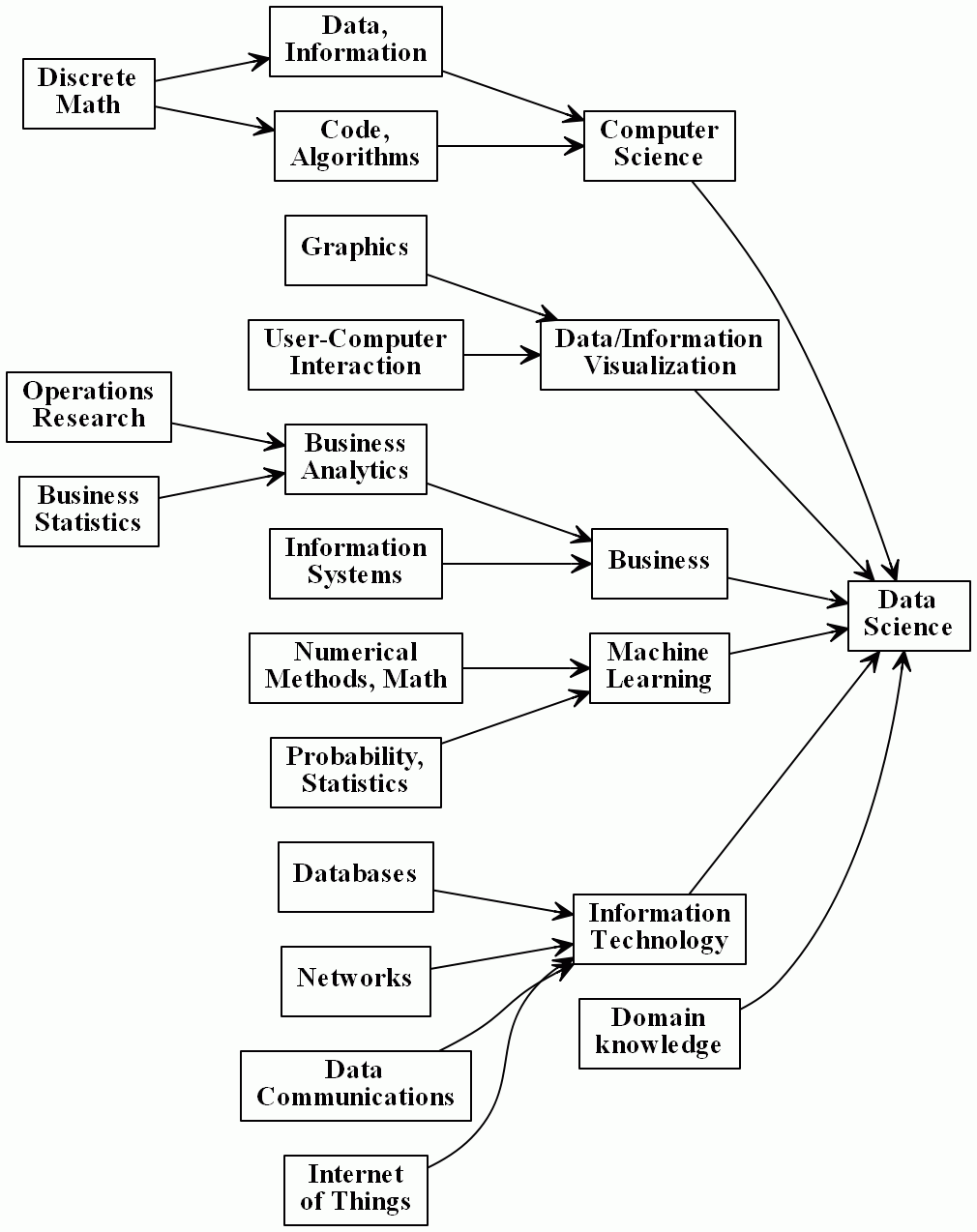
Data science consists of a useful combination of a number of areas. Let us look at each in turn.
2. Coding
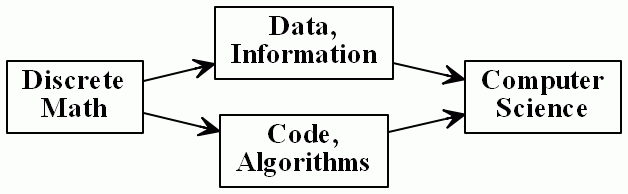 What is discrete vs. continuous?
What it data? What is information?
What is computer science?
What is discrete vs. continuous?
What it data? What is information?
What is computer science?
3. Visualization
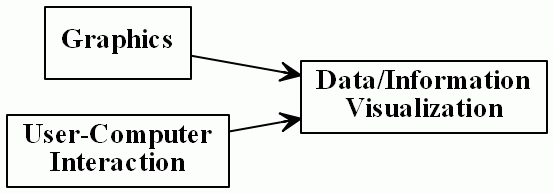
What is the difference between data visualization and information visualization.
4. Business
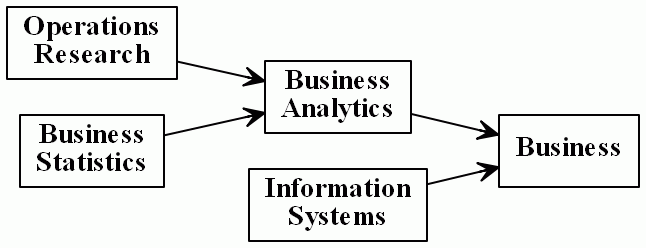
What is a business?
5. Machine learning
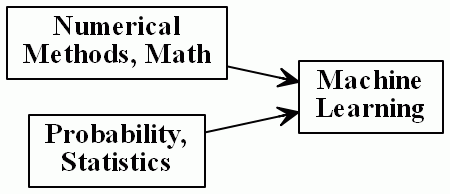
Machine learning is sometimes called artificial intelligence.
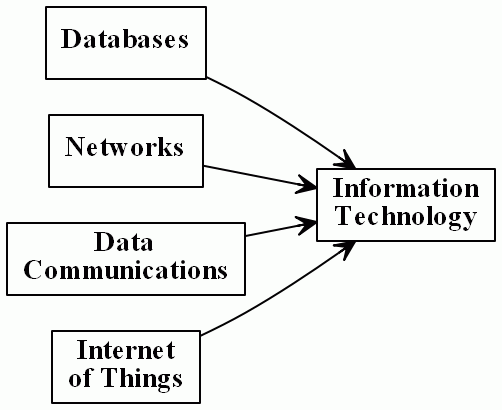
6. Information technology
7. Domain knowledge
8. Specialized areas
Specialized areas:
Concurrent and parallel algorithms and programming
No-SQL databases
Security, privacy, and intellectual property
9. Simplified view
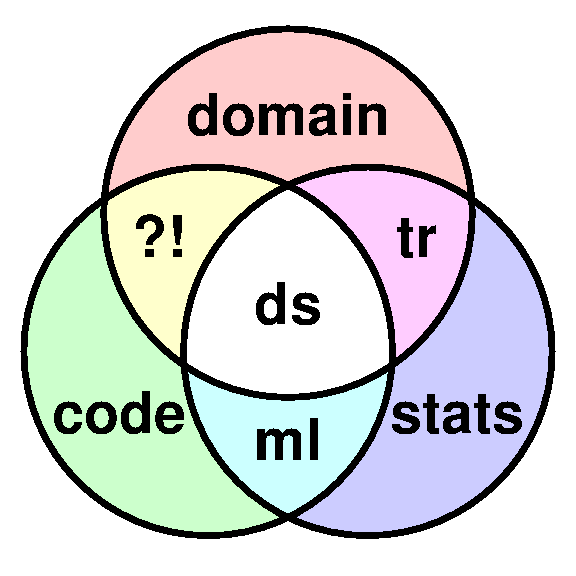
In a simplified view, data science consists the following.
code = coding (e.g., Python)
stats = statistics
domain = domain knowledge (and business)
ml = machine learning
tr = traditional research
?! = danger zone
10. Other terms
Here are some other terms that are sometimes used for data science or for important parts of data science.
data mining
big data
business analytics (people oriented)
business intelligence
decision science
data engineering, knowledge engineering
11. Data
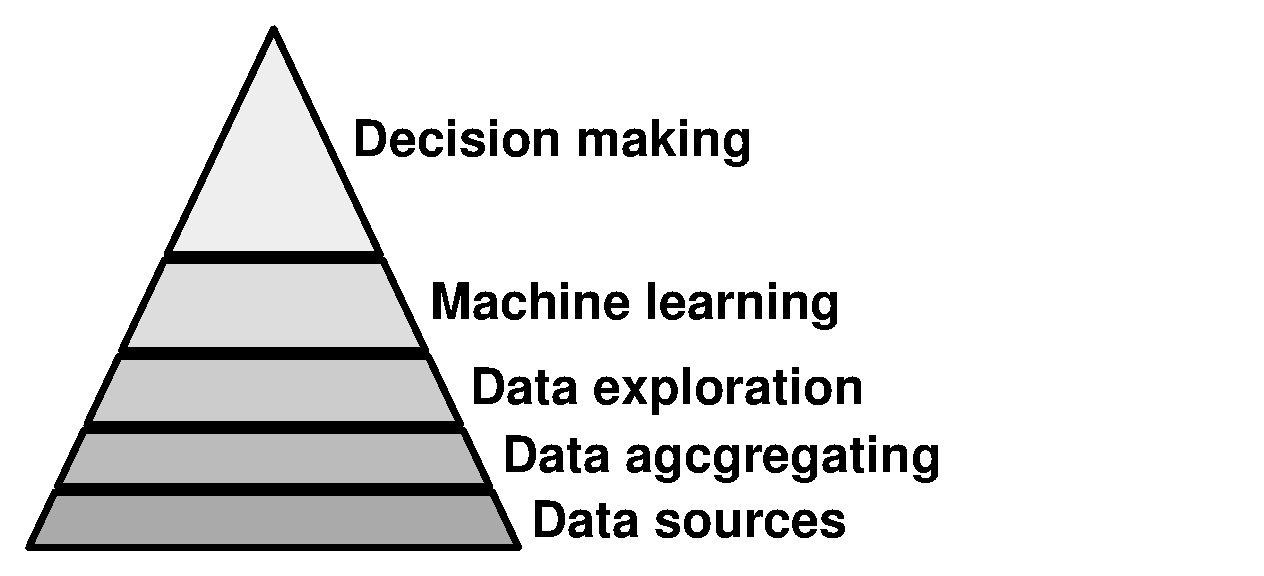
The goal is for someone (e.g., manager, decision-maker) or something (e.g., computer) to make a decision.
The emphasis is on data, not just coding.
12. Course parts
The topics of data science will be interleaved in the course, but the main areas are as follows.
code: Python
numerical computation (Python, NumPy, SciPy, etc.)
data: Python (Python, Python libraries, including Pandas, etc.)
visualization (matplotlib)
machine learning (various libraries and packages)
13. End of page